

Estonia travel guide
Estonia Tourism | Estonia Guide
You're Going to Love Estonia
Sheltered in the grandeur of the Baltic Sea, Estonia holds a unique character that is distinct from its neighboring countries. A raw untouched beauty remains in the vast forests, while cities, such as the capital Tallinn, have maintained medieval constructions and architecture in remarkable condition. City walls, stone towers, and cobblestone lanes leave an impression that you've time traveled back a few centuries.
What to do in Estonia
1. Get Lost in Lahemaa National Park
The huge astonishing parklands is home to flourishing ecosystems within lakes, rivers, and pine forests. There are countless hiking trails to explore as well as sandy beaches if the weather is warm.
2. Soak Up the Spirit of Tartu
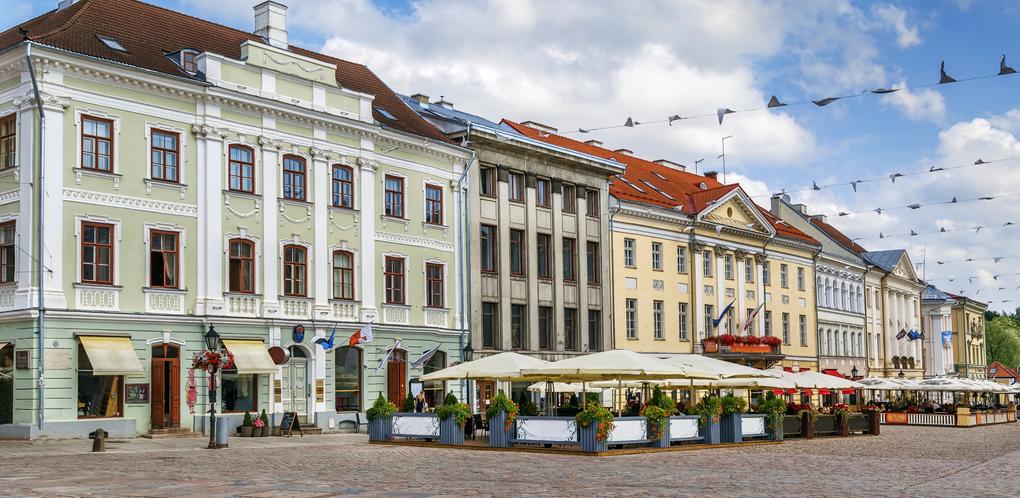
The city is the second largest in Estonia and was transformed less than others during the Soviet Union era. In addition to medieval ruins, you'll find the country's oldest university, national museum, and a swarm of lively bars and restaurants.
3. Take a Trip to Saaremaa
The largest of more than 2,000 Estonian islands is blessed with lime-rich soil, making it a haven for migrating birds, such as swans, geese, and owls.
4. Discover Tallinn's Old Town
You'll be swept away in the magnificence of longstanding buildings that include the Alexander Nevsky Cathedral, Town Hall, St. Olaf's Church, and Toompea Castle.
5. Visit the Estonian Open Air Museum
A life-size reconfiguration of a rural fishing village, the museum has 80 freestanding historic structures that represent traditional accommodation, windmills, and farmyards.
When to visit Estonia
Due to the harsh Baltic climate, the summer is particularly short and it is best to go between June and August if you plan on embracing the outdoors. The snowfall around Christmas offers a magical contrast, though regional destinations are likely too dangerous to access.
How to Get to Estonia
Entry Requirements
It is a member of the Schengen Agreement and thus, there are no border controls from the majority of European Union locations. Outsiders from countries like the US and Canada can spend up to 90 days within a 180-day period inside the Schengen zone.
Plane
Most international flights arrive at Tallinn Airport, with direct routes available from Scandinavia, major European hubs, Ukraine, and Russia.
Train
Direct services can be caught from Moscow and take roughly 15h. Multiple cabin classes are available and tickets start from approximately €77 ($86).
Car
Crossing from Latvia requires no border control as both countries are part of the Schengen Agreement, while traveling from Russia can be a little more complicated.
Bus
Companies offer routes from a range of departure destinations, including Germany, Lithuania, Latvia, Russia, and Ukraine.
Boat
Ferries can be caught from Stockholm, Helsinki, Mariehamn, and Rostock. Freezing in the Baltic Sea means that boats only operate in summer months.
Popular airlines serving Estonia
Where to stay in Estonia
A range of hotels and youth hostels can be found in major cities. Tourism farms are located in regional towns and provide budget-friendly options for travelers wanting to explore the countryside.
Where to stay in popular areas of Estonia
Most booked hotels in Estonia
How to Get Around Estonia
Public Transportation
Train and bus systems are comprehensive and reliable throughout the country. However, be careful if you are traveling in the winter months as it is best to limit time spent outside.
Trains
Regional lines connect Tallinn to a number of large cities, including Rakvere, Tapa, Vilandi, and Narva. A ticket salesperson boards the train so no pre-purchase is necessary.
Bus
Domestic services are available across Estonia, with the most common route between Tallinn and Tartu scheduled roughly every hour.
Car
The highways and roads are kept in fantastic condition, plus car rental is very cheap. You can pick up a car for roughly €10 ($11) per day, being mindful that headlights should always be switched on regardless of the time of day.
Plane
The only domestic routes operated are between the islands of Saaremaa and Hiiumaa with the capital Tallinn.
The Cost of Living in Estonia
Food and transport prices are considerably cheaper than Scandinavian countries like Finland and Sweden. You can eat out at a standard restaurant for roughly €8 ($9), while 2.2 lb of fruit, such as apples and bananas, cost approximately €1 ($1.10). A prepaid SIM card will provide about 5GB of data and 130 calls and cost approximately €8 ($9). Credit cards are widely accepted and carrying cash is not a necessity, though to be on the safe side, it's always good to have some on you for small transactions.